



Blue Oceans Initiative
The Blue Oceans Initiative is SSI’s free ocean conservation available to dive centres, divers, and non-divers alike. This program is for people who want to commit to the environment and be fulfilled as ocean guardians.
The program offers education about a range of conservation topics from coral reefs and sharks, to plastics and marine protected areas. The Blue Ocean’s Initiative also ensures you know that we as a centre are doing our part in protecting the environment and support conservation efforts through our centre operation.
Watch a Video


Blue Oceans Responsible Diver Code
We‘re all responsible for protecting our aquatic resources. With the SSI Responsible Diver Code, we want to make everyone aware of the environmental problems from the start. We want them to think critically, and take positive action whenever they travel and dive. That’s why the code is displayed in all our digital training materials, as an easy reference any time they read our content.
Learn MoreEnvironmental Awareness
- Commit to personally protect the environment
- Prevent others from causing damage through positive action and motivation
- Support useful projects and organizations dedicated to marine protection
- If possible, collect garbage on your dives – but only if doing so does not cause more damage to the environment
- If possible, cut hanging ropes and collect floating nets and plastics
- Inform your buddy or the crew on the surface if you were not able to remove the net
- Never eat shark fins, whale meat, turtle eggs, etc.
- Report immediately violations of the ban on the use of marine animals as souvenirs
Dealing with The Underwater World
- Only use a swim-through if you can do so without touching anything
- Don’t swim or snorkel too close to the reef
- Don’t touch or break corals
- Use labeled entrances/exits for the water
- Don’t disturb the sand, since it reduces visibility and smothers corals
- Don’t hunt or bother animals
- Don’t touch animals unless properly trained
- Don’t feed animals
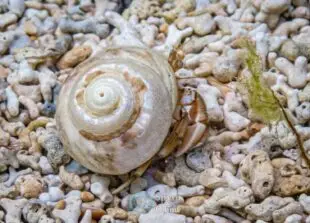
- Don’t take souvenirs from the sea – broken coral pieces or empty snail shells still serve as useful habitat
- Only place a reef hook where it will not damage or disturb the reef
- Do not disturb animals or habitat to improve your photo opportunity
Responsible Use of Resources
- Shower only as long as required to get clean, especially in areas with minimal ability to store/purify water
- Wash your equipment in the provided container, and only when necessary – often it’s enough to clean equipment thoroughly at the end of the dive trip
- Turn off the lights when you aren’t using them
- Use alternative transportation or walk instead of driving
- Avoid unnecessary waste – food plans and shopping lists help save you money, and prevent purchasing unnecessary food that may go to waste
Avoid Garbage
- Never throw inorganic waste into the sea – Plastics decompose incredibly slowly
- Minimize the production of garbage: Use reusable coffee mugs and lunch boxes, glass or metal bottles and shopping bags
- Do not bring unnecessary packaging to the resort
- Dispose of your waste in as eco-friendly a manner as possible
- If you smoke, dispose of cigarette butts in the proper receptacle, not on the ground or in the water
To become a more responsible diver
You can actively protect your underwater world by learning about the underwater ecosystem and practicing proper buoyancy control on every dive. SSI has developed some useful programs to help you improve your skills. Check out the many ways you can become a more responsible diver below:
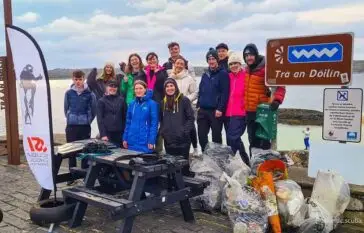
Blue Oceans Beach Clean
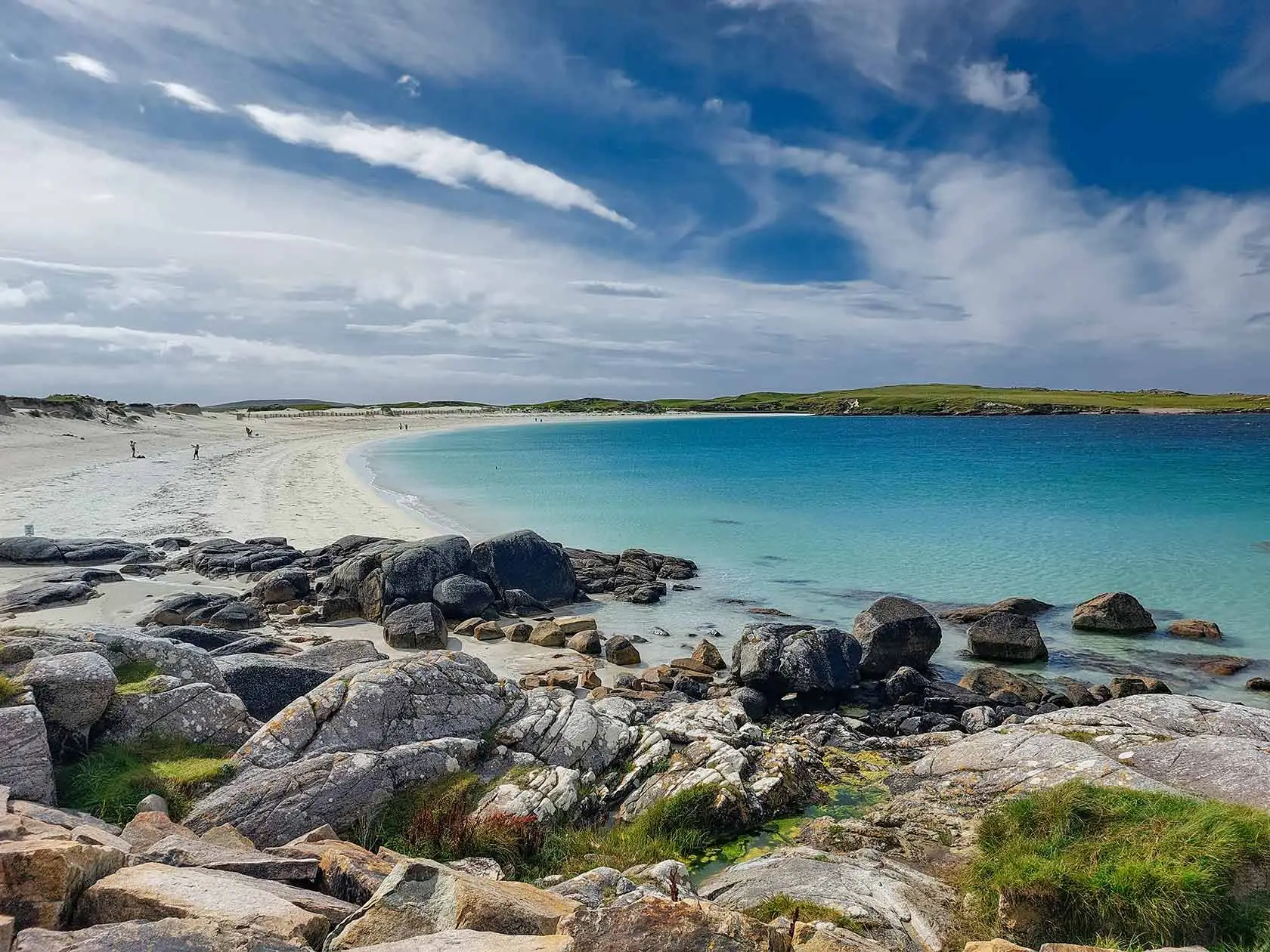
Join us for our next Beach Clean, where our community comes together to protect the ocean we love! Whether you’re a diver or a beachcomber, your hands make a real difference.
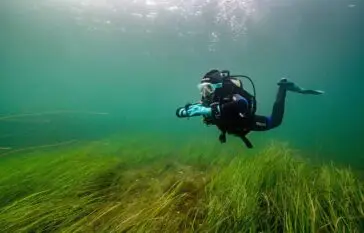
Perfect Buoyancy Program
The Perfect Buoyancy specialty will teach you advanced buoyancy skills and techniques, so you can master your buoyancy more quickly and enjoy more relaxed dive adventures.
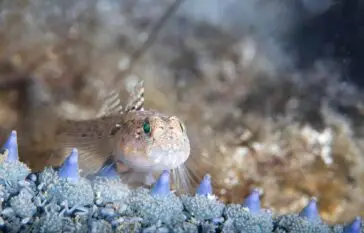
Ecology Programs
From Fish and Coral Identification, Marine and Shark Ecology, through Sea Turtle and Manta & Ray Ecology to Marine Ecology.